
Coordinated Work Across Complex Projects
General Contracting in Pittsfield for residential and commercial projects requiring unified oversight
Larger construction, renovation, and remodeling projects involve multiple phases, trades, material deliveries, and decisions that must happen in sequence to avoid delays, rework, or conflicting installations. General contracting organizes these elements under a defined scope and timeline, ensuring that framing, mechanical, electrical, plumbing, and finish work proceed in the correct order and align with the client's objectives. Without coordination, projects stall when materials arrive before the structure is ready, trades overlap inefficiently, or finish work gets damaged by subsequent installations.
Pravia Renovating and Remodeling provides general contracting services across Pittsfield for homeowners and commercial property owners managing additions, whole-home renovations, multi-room remodels, or new construction projects where organizing subcontractors and sequencing work becomes too complex to handle independently. The role involves planning what happens when, maintaining consistency between connected improvements, and keeping the finished result aligned with the project's original goals.
Review your project requirements with us to determine how general contracting can streamline planning, execution, and coordination.
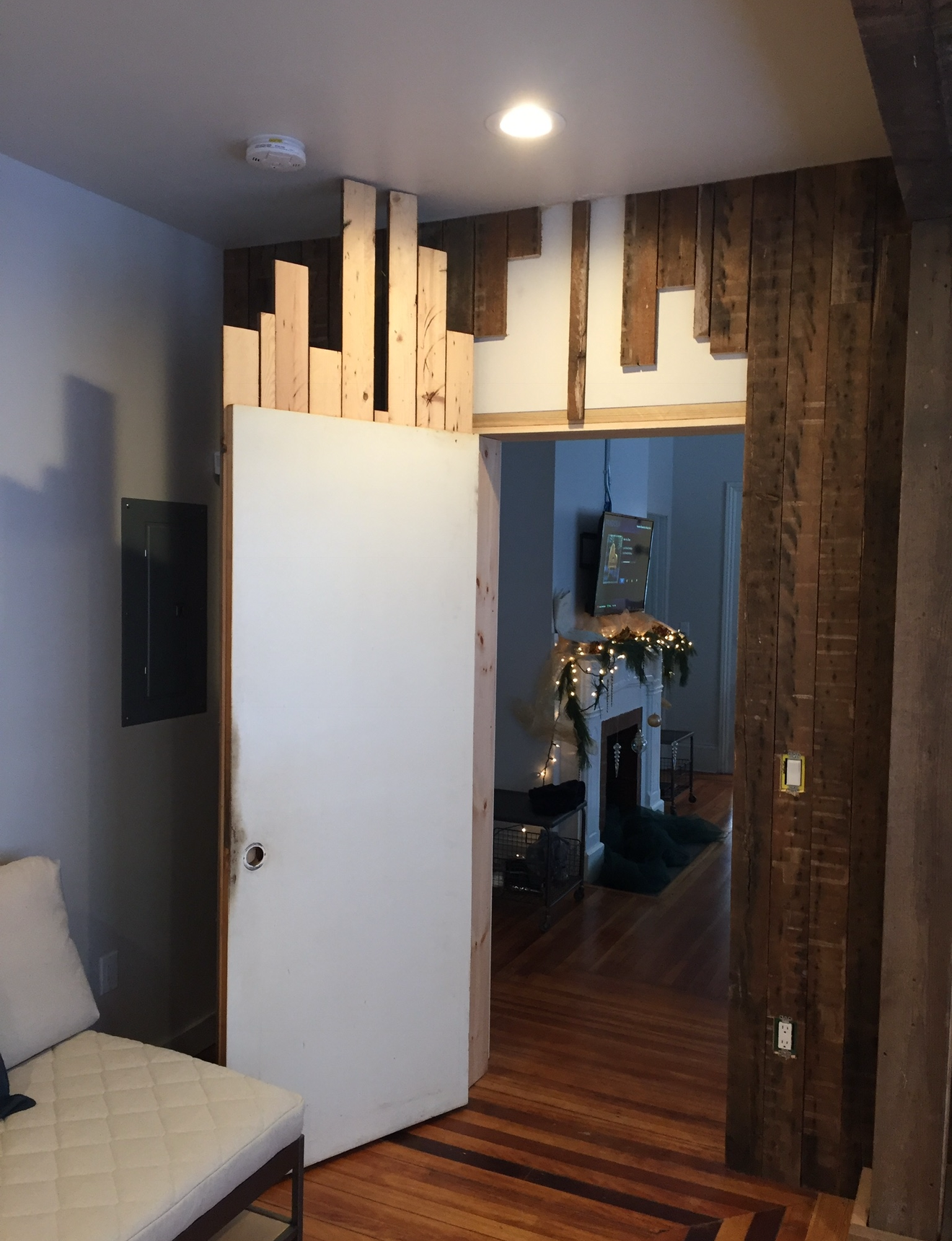
The Difference Between Managed and Uncoordinated Projects
Effective general contracting begins with defining the full scope, breaking it into logical phases, and scheduling trades so each arrives when the site is ready for their work. This prevents electricians from roughing in wiring before framing inspections pass, or flooring installers from starting while plumbing remains incomplete.
Once the project completes, you experience construction that progressed without repeated delays or surprises, finish work that wasn't damaged by later trades, and a result that matches the scope defined at the start. Coordinated projects also produce cleaner job sites, fewer material shortages, and fewer instances where one trade's work creates problems for another.
General contracting does not eliminate every challenge—weather, supply delays, and unforeseen conditions still occur—but it ensures someone is responsible for adjusting schedules, solving conflicts, and communicating changes rather than leaving those decisions to individual subcontractors who lack visibility into the larger project.
What Property Owners Usually Ask
Clients considering general contracting services often want clarity on what coordination includes and how it differs from managing work themselves.
What does a general contractor actually do during a project?
Scheduling and sequencing trades, ordering materials aligned with installation dates, conducting progress inspections, managing site access and safety, resolving conflicts between subcontractors, and serving as the primary point of contact for decisions and updates. The role consolidates oversight so the client isn't coordinating multiple separate relationships.
How do you keep projects on schedule when delays happen?
Schedules adjust based on actual conditions, not rigid timelines. If rough framing takes longer due to weather or material delays, subsequent trades get notified early so they don't mobilize prematurely. Buffer time built into initial scheduling helps absorb minor delays without cascading through the entire project.
Why does sequencing matter so much in construction?
Each phase builds on the previous one. Drywall can't be installed until wiring and plumbing rough-ins pass inspection. Finish flooring must wait until painting completes to avoid damage. Scheduling trades in the wrong order causes rework, wasted materials, and extended timelines when mistakes need correction.
What types of projects benefit most from general contracting?
Additions, whole-home renovations, commercial tenant fit-outs, and any work involving structural changes, multiple systems, or more than two trades working sequentially. Single-trade projects like roof replacement or flooring installation typically don't require general contracting coordination.
How does general contracting affect project costs?
Coordination itself adds a fee, but it often reduces overall costs by preventing delays, minimizing rework, and ensuring materials arrive only when needed rather than sitting on-site where they risk damage or theft. The net result depends on project complexity and how much inefficiency would occur without oversight.
Pravia Renovating and Remodeling provides general contracting services for residential and commercial projects throughout Pittsfield where coordination and oversight keep complex work progressing efficiently. Schedule a consultation to discuss your project scope and determine how unified management can support your construction goals.